

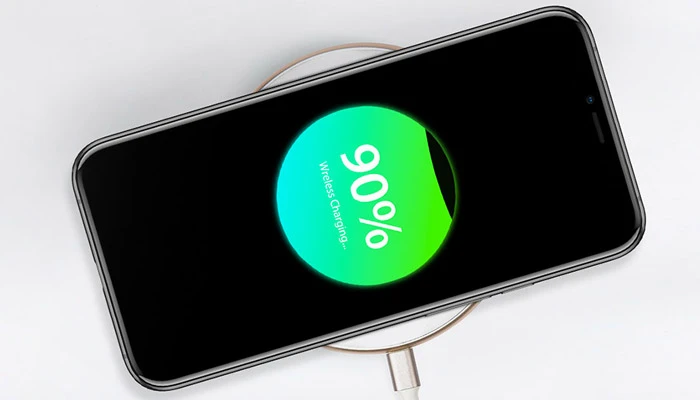
In this 'Smartphone Charging Guide', we'll explain: What exactly is fast charging? What role does GaN play? And why should you care about Watts, Volts, and Amps?
Editor's Note: This guide has been completely updated and fact-checked for 2026 to include the latest breakthroughs in GaN (Gallium Nitride) charging, Qi2 wireless technology, USB-PD 3.1, and 240W+ dual-cell hyper-charging.
In the world of smartphones, few topics are as historically tangled as fast charging. Whether your phone calls it Super Power, Dash Charge, HyperCharge, or just "Fast Charging," the end goal is identical: taking your phone from a terrifying 1% back to a comfortable 80% before you've finished chewing your morning toast.
Related: Top 10 - What Smartphone had the best Battery Life?
In the good ol' days, you'd plug your phone in overnight and cross your fingers it'd be at 100% by the time your alarm went off. Today, if a flagship phone takes more than an hour to charge, people start questioning the brand's life choices. However, more speed means more power, which inevitably leads to more heat. And heat is the natural enemy of any lithium-ion battery.
Currently, we are living in a golden age where universal standards are replacing annoying proprietary cables, and insane new technologies are pushing the boundaries of what a phone battery can safely handle.
Well, since the smartphone overlords won't make your life simple, I'll do my best in this article to equip you with all the information you'll ever need about the modern era of fast charging.
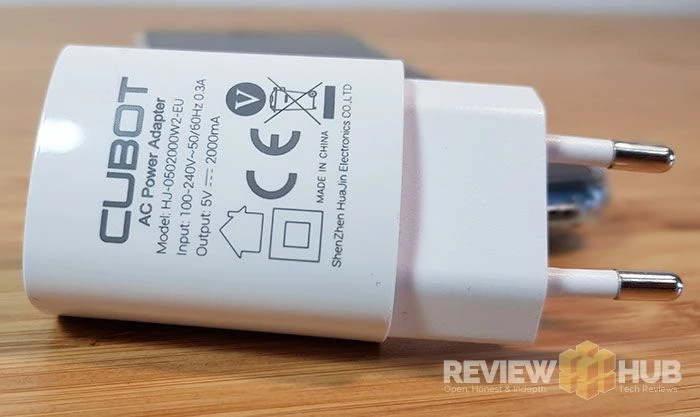
What the Heck is 'Fast Charging' and How Does it Work?
Simply put, fast charging is the process of sending a massive amount of energy into your smartphone in the shortest time possible. If you can squeeze more power in rapidly, you get a faster charge. But doing so comes with a major problem: Heat.
If you want to keep the science super simple, think of electricity like water flowing through a hosepipe:
- Volts (V): The water pressure.
- Amps (A): The thickness of the hosepipe.
- Watts (W): The total amount of water that comes out of the hose.
Multiply your Volts by your Amps, and you get your Watts (Total Power).
If a phone company wants to make their device charge faster, they can crank up the Volts (water pressure), but that generates a ton of heat. Or, they can pump up the Amps (make the pipe thicker), but that requires bizarrely thick charging cables. A delicate balance is necessary.
The Unsung Hero: GaN (Gallium Nitride)
For decades, the standard material inside our power bricks was silicon. It was cheap and reliable, but it sucked at handling high-voltage power without getting incredibly hot and bulky.
Enter GaN (Gallium Nitride). This material conducts electricity far better than silicon, meaning less energy is lost as heat. Modern GaN chargers operate at up to 98% efficiency. This allows manufacturers to squeeze insane amounts of wattage (like 100W or 140W) into a multi-port power brick the size of an apricot. If you want fast charging without wearing down your battery from excessive heat, using a GaN charger is the smart move.
Related: Anker 737 Power Bank Review (140W GaN PowerCore 24K)
The Universal Kings: USB-PD & PPS
Thankfully, the industry is largely moving away from the proprietary "wild west" of the 2010s. Now, most devices from laptops to the latest iPhones and Samsung Galaxy phones rely on USB-PD (Power Delivery). The newest standard (PD 3.1) can theoretically push up to 240W of power.
But the real magic trick inside modern fast charging is PPS (Programmable Power Supply). PPS acts like a smart cruise control. Instead of giving your phone a steady, fixed block of power, a PPS charger communicates with your phone constantly, making micro-adjustments to the voltage in tiny 20mV intervals.
This dynamic adjustment keeps the charging speed as fast as possible while aggressively managing heat, protecting your battery gracefully. (Note: If you're wondering what happened to Qualcomm's famous "Quick Charge", their newest Quick Charge 5 natively adopted USB-PD PPS as its underlying protocol!)
The Need for Speed: Proprietary Hyper-Charging
While companies like Apple, Google, and Samsung stick to the safer universal USB-PD standards, aggressive innovators (mostly from the Asian market like Xiaomi, Realme, and OnePlus/OPPO) have decided that waiting is for losers. Welcome to the era of SuperVOOC and HyperCharge.
These proprietary systems can pump upwards of 240W into a smartphone, taking a dead device to 100% in under 10 minutes.
How do they do this without melting the phone? Dual-cell batteries.
Instead of pushing 240W into a single battery cell (which would cause a terrifying explosion), they split the battery entirely in half. They use dual charge pumps to route 120W to one cell and 120W to the other cell simultaneously. It splits the workload, splits the heat, and doubles the speed!
Wireless Charging 2.0: The Qi2 Era
Wireless charging has always had one critical flaw: efficiency. Energy sent through the air is easily lost as heat, especially if the charging coils between the pad and the phone aren't perfectly aligned.
Enter the Qi2 Standard (heavily inspired by Apple's MagSafe). By enforcing a universal magnetic alignment ring, Qi2 ensures that the coils always snap into the dead-center perfect position. This eliminates the massive heat-loss from misalignment, allowing safe, faster wireless charging (up to 15W and moving toward 25W) across the board.
Debunking the Myth: Does Fast Charging Destroy Your Battery?
Let's definitively answer the biggest worry: No, fast charging alone does not ruin your phone's battery.
Modern smartphone batteries are engineered alongside highly intelligent Battery Management Systems (BMS). The true enemy of your battery's chemical lifespan is excessive heat and sitting at 100% capacity for hours.
To protect your phone, follow these modern habits:
- Turn on Optimized Charging: Found on iOS and Android, this learns your daily routine. If you charge overnight, it will quickly charge to 80%, pause, and only trickle-charge the final 20% right before you wake up. This prevents voltage stress.
- Avoid extreme heat: Don't play intense 3D games while fast charging in direct sunlight.
- Don't stress about 0%: You do not need to fully drain your battery to calibrate it anymore. That's a myth from the 90s. Just plug it in when it's convenient!
Hope this updated guide shed some light on the incredible world of modern smartphone charging. Feel free to comment below and tell us which charging standard is your favorite!
Comment submitted successfully! It will appear once approved.
Submission failed. Please verify the Captcha and try again.
Interesting :)